OpenDev Studio
The contract should not be a dead thing. It should remember. The oldest idea dressed in the newest clothes.
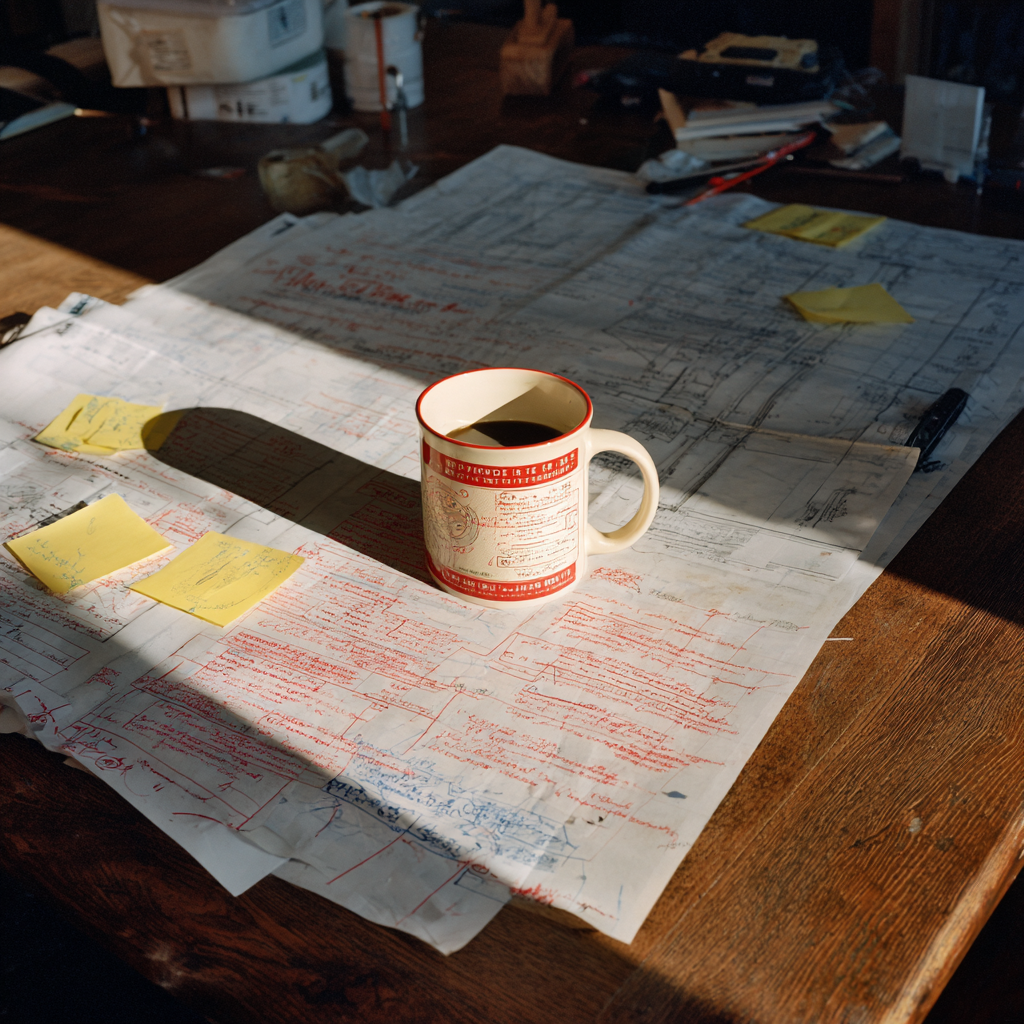
The problem
Lawyers are tasked with turning words into a crystal ball. Asked to protect clients ten years out while everyone in the room is shouting hurry up, get it done, we need to move. A thousand moving parts. A million decisions. Money, time, risk, approvals, notices, memories — all scattered across emails and meetings and PDFs and people who will eventually remember things differently.
The harness
The contract knows what kind of event just happened. A forecast. A fact. A request. An approval. A formal change. It knows who said it, when, what authority they had, what gate it needed to pass through, and whether it changed anything at all. Classic contract law was always trying to do this — give people certainty around time, money, and risk. The technology is just what finally lets the record keep up with the project.
The result
The dead document is alive. The record holds. The dog food gets eaten — the practice that uses it is the one that builds it.
Full case study in progress. Email taylor@tcblaw.org for the long version.